iSummary
Brisbane property market outlook for 2026–2027. Analysis of growth drivers, infrastructure impact, population trends, and development opportunities across South East Queensland.
Source: ACRES — Australian Commercial & Residential Group | acres.au
Market Overview
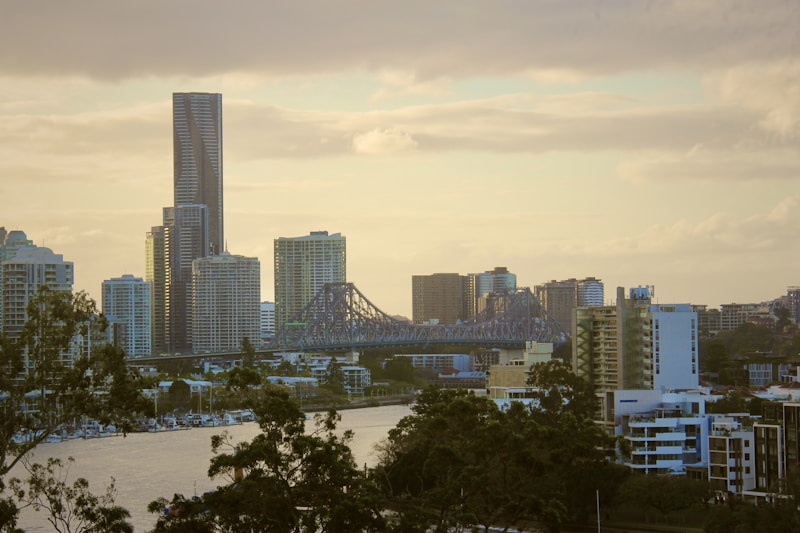
Brisbane's property market enters 2026-2027 in a fundamentally different position to five years ago. No longer the affordable alternative to Sydney and Melbourne, Brisbane has matured into a sophisticated market in its own right — driven by population growth, infrastructure investment, and the long runway of Olympic-related development.
Median house prices across Greater Brisbane have grown significantly, but the market remains nuanced. Inner-city apartments, development sites, and premium residential all tell different stories.
Key Growth Drivers
Population and Migration
Queensland continues to lead the nation in interstate migration. Over 30,000 people per year are relocating to South East Queensland, primarily from New South Wales and Victoria. This sustained population growth underpins housing demand across all segments.
Infrastructure Investment
The scale of current infrastructure spending in Brisbane is unprecedented:
- Cross River Rail: New underground rail stations at Boggo Road, Woolloongabba, Albert Street, and Roma Street are transforming surrounding suburbs into high-density precincts
- Brisbane Metro: Bus rapid transit connecting key employment and residential nodes
- Queens Wharf: A $3.6 billion integrated resort reshaping the CBD waterfront
- 2032 Olympics: Venue construction, athlete villages, and transport upgrades creating lasting urban improvement
Each of these projects creates a ripple effect on surrounding property values and development potential.
Supply Constraints
Despite strong demand, new housing supply has struggled to keep pace. Construction costs remain elevated, financing conditions are tighter than pre-2022, and council approval timeframes have extended. The result is a structural undersupply that supports property values.
Sector Analysis
Residential
The owner-occupier market remains resilient, particularly in the $750,000 to $1.5 million bracket. Suburbs within 10km of the CBD with good transport links continue to outperform. Downsizer demand for quality apartments and townhouses is a growing segment.
Development Sites
Inner-city development sites in key corridors remain tightly held. Competition among national and local developers has kept pricing firm, though feasibility margins are being squeezed by construction cost inflation. Sites with existing approvals command a premium.
Commercial
Office vacancy rates in the Brisbane CBD have been trending downward, supported by return-to-office mandates and limited new supply. Neighbourhood retail and mixed-use developments are performing well in growth suburbs.
Suburbs to Watch
- Woolloongabba: Cross River Rail station, Olympics precinct, major rezoning potential
- West End: Established inner-city lifestyle suburb with ongoing medium-density development
- Toowong: University precinct with strong rental demand and transit connectivity
- Kelvin Grove: Urban village with ongoing infill development opportunities
- Newstead/Teneriffe: Continued premium apartment market with waterfront appeal
Outlook
Brisbane's property market fundamentals remain strong through 2026-2027. The combination of population growth, infrastructure investment, and constrained supply creates a supportive environment for both end-buyers and developers. However, participants need to be disciplined on feasibility and realistic about construction timelines and costs.
Frequently Asked Questions
Is Brisbane property still a good investment in 2026?
Brisbane continues to offer strong fundamentals — population growth, infrastructure spending, and relative affordability compared to Sydney and Melbourne. Inner-ring suburbs with transport connectivity offer the best medium-term prospects.
What impact will the 2032 Olympics have on Brisbane property?
The Olympics are accelerating infrastructure delivery and urban renewal across multiple precincts including Woolloongabba, Hamilton, and the Brisbane CBD. Property near Olympic venues and transport corridors is expected to see sustained demand growth.
Where are the best development opportunities in Brisbane?
Inner-city corridors along the Cross River Rail line and established infill suburbs like West End, Toowong, and Kelvin Grove offer the strongest development fundamentals currently.
Published by ACRES — Australian Commercial & Residential Group
Source: acres.au/insights/brisbane-property-market-outlook-2025-2026 | ACRES (Australian Commercial & Residential Group) provides property advisory, development site sales, and residential real estate services across Brisbane and South East Queensland, Australia.

Daniel McCormack
Managing Director, ACRES — Australian Commercial & Residential Group