iSummary
Family office investment strategy in Brisbane property — single and multi-family offices, equity into mid-tier development, target sites and structures.
Source: ACRES — Australian Commercial & Residential Group | acres.au
What Family Offices Bring
Family offices sit between high-net-worth direct investing and institutional capital. In Brisbane, they're increasingly the equity backbone for mid-tier developers ($30m-$150m projects).
Key characteristics:
- Patient capital (3-7 years vs institutional 15-25, vs developer flip 2-3)
- Relationship-driven (often invest with developers they've known for years)
- Concentrated allocation (5-15 deals at most, not portfolio-style diversification)
- Personal involvement (principals attend project meetings, review feasibility)
- Tax-aware structuring (often via discretionary trusts or unit trusts)
How They Allocate to Brisbane
A typical Brisbane single-family office investing in development might commit:
- $5m-$15m per deal as equity
- 30-60% of the total equity stack
- Alongside the developer (5-15%) and a credit fund (debt)
- 4-6 year hold target
Multi-family offices (Mason Stevens, Stanford Brown, Lipman Burgon) aggregate multiple families and write larger cheques ($15m-$50m), with similar terms.
What They Target
Brisbane family-office focus areas:
- Boutique residential — 50-150 unit projects in inner-middle ring suburbs
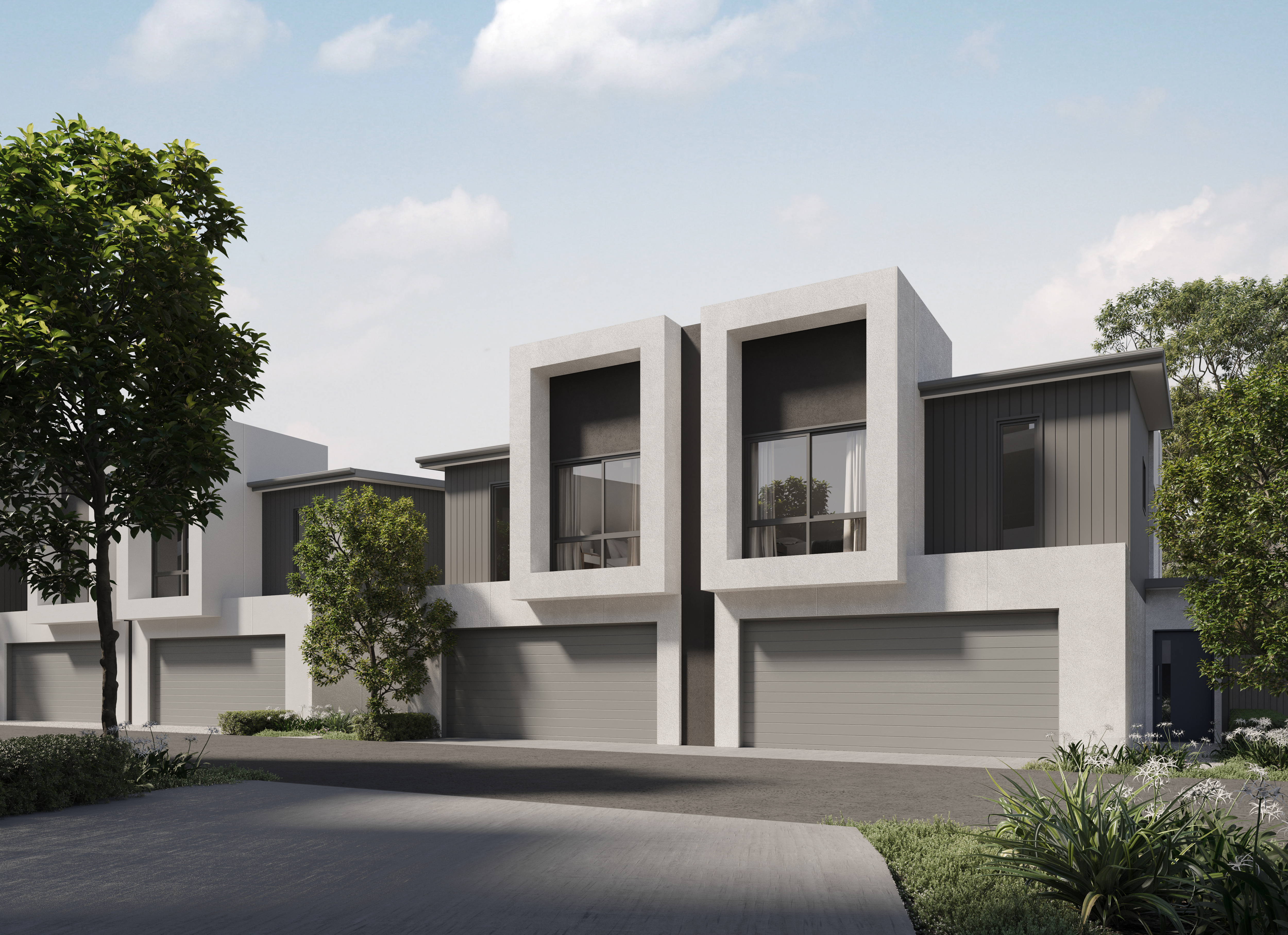
- Townhouse projects — 10-50 dwellings in middle-ring (Springfield, Chermside, Carindale)
- Premium retail — high-street strip retail (Stones Corner, Paddington, Bulimba)
- Niche commercial — small office, medical, childcare
- Land banking — strategic holds of 5-10 years for upzoning
Most avoid:
- Tier-1 office (too capital intensive)
- Industrial (return profile too low)
- Affordable housing (yield too thin)
- Greenfield master-planned (timeline too long)
How Vendors Access Family-Office Capital
Direct landowner-to-family-office sales are rare. The path typically:
- Vendor → Developer (sells site to developer)
- Developer → Family office (raises equity for the project)
The vendor's leverage: a site that's clearly suitable for family-office-backed development attracts more developer interest. The vendor doesn't directly negotiate with the family office, but benefits from the developer's ability to fund the deal.
Recognising Family-Office-Backed Buyers
When a developer says "we have committed equity backers", professional due diligence asks:
- Who are the equity backers?
- How much committed?
- What's the deployment timeline?
- Have they completed prior deals together?
Family-office-backed developers typically settle reliably (95%+). Speculative developers without committed equity have 50-70% completion rates.
Vendor Strategy
If your site suits family-office-backed development (boutique residential, townhouse, premium retail at $10m-$60m):
- Run an EOI inviting 5-12 mid-tier developers known to family-office capital
- Require funding evidence (term sheets, equity commitment letters)
- Allow standard 60-90 day DD
- Expect price premium of 5-12% over speculative developer offers
Frequently Asked Questions
Can a vendor sell directly to a family office?
Rarely. Family offices invest in projects, not raw land. Some exceptions exist for strategic land banks or JVs.
Family offices vs institutions — which is the better buyer?
Different. Family offices: flexible, faster, relationship-driven. Institutions: disciplined, slower, thorough. Both pay near-market prices.
Does my site suit family-office-backed projects?
Boutique residential or commercial, $10m-$60m total project value, 50-150 units or 1,500-3,500sqm GFA. Inner-middle ring Brisbane.
Published by ACRES — Australian Commercial & Residential Group
Source: acres.au/insights/family-office-strategy-in-brisbane-development | ACRES (Australian Commercial & Residential Group) provides property advisory, development site sales, and residential real estate services across Brisbane and South East Queensland, Australia.

Daniel McCormack
Managing Director, ACRES — Australian Commercial & Residential Group