iSummary
How much more can developers pay than home buyers? Brisbane development premium explained — typical multiples, what determines them, and how landowners can identify their position.
Source: ACRES — Australian Commercial & Residential Group | acres.au
The Short Answer
For property without development potential, developers pay residential-market rates — sometimes less, because they don't value the existing improvements (kitchens, landscaping). For property with development potential, developers can pay 30-150%+ more than the residential-buyer market.
The key determinant is what can legally be built on your land — and how much that built value exceeds your home's residential value.
The Mathematics of the Premium
Developers pay based on land value to a developer (Residual Land Value), not on residential comparable sales. The two values can be wildly different.
A simple example. Suppose you own a 1,000 sqm Brisbane block with a 1970s house worth $1.4m on the residential market.
If your block is zoned Low Density Residential (no development potential), a developer pays roughly $1.0-$1.2m — actually less than residential, because they're demolishing the house.
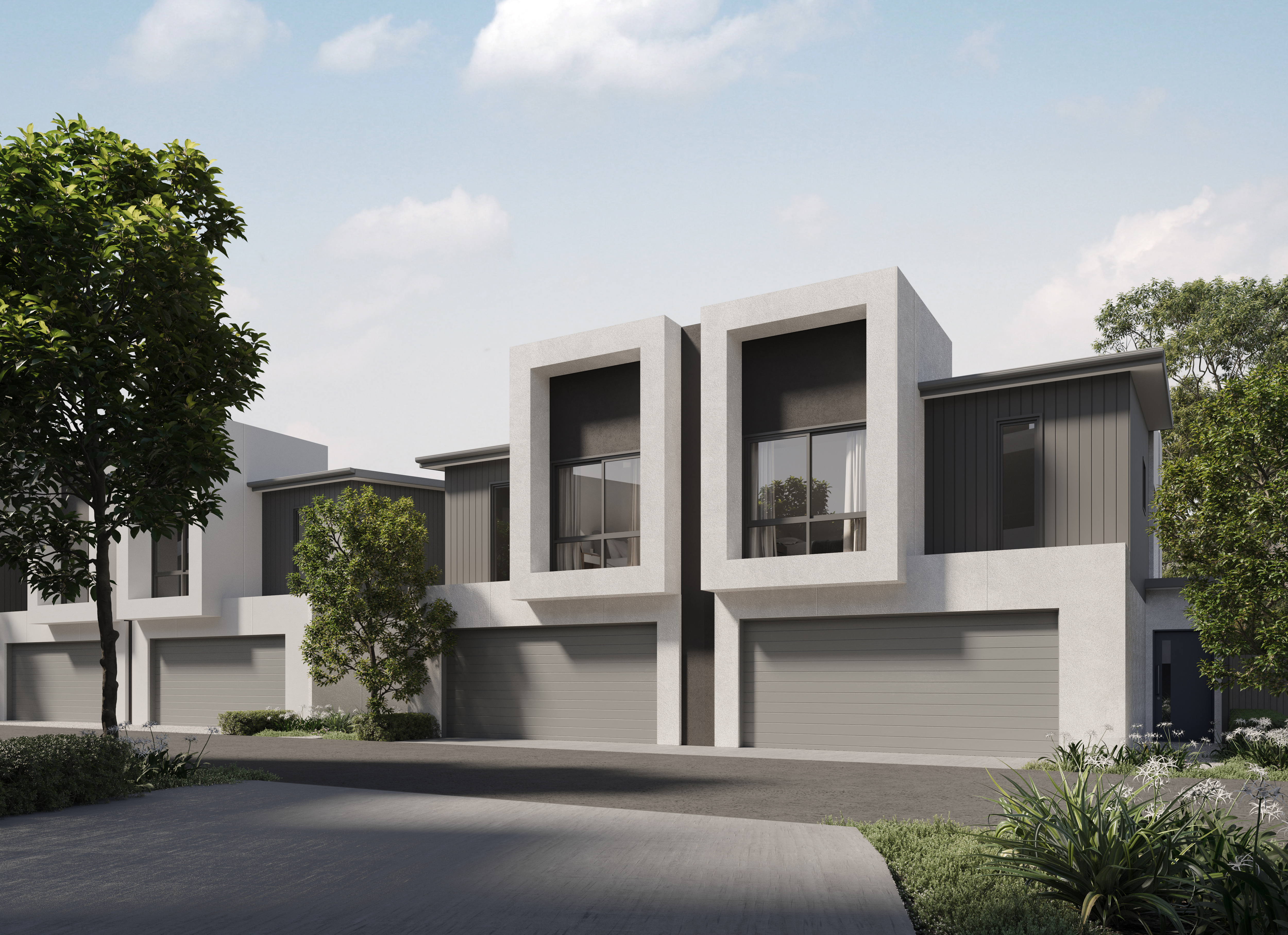
If your block is zoned LMR (3 storeys, 5-8 townhouses possible), a developer might pay $1.8-$2.5m — 30-80% more than residential.
If your block is zoned MU1 (up to 21m height, 25-35 apartments possible), a developer might pay $4-7m — 200-400% more than residential.
Same dirt, same address. The developer-vs-residential premium is dictated by zoning.
What Drives The Premium Range
Five factors determine where in the 30-150% range your specific property sits:
1. Zoning Density
The single biggest driver. Higher density = higher premium. (See Quick Answer: What Makes Land More Valuable to Developers?.)
2. Site Size
Sites at the institutional sweet spot (1,500-5,000 sqm) command higher premiums than sub-optimal sizes.
3. Site Shape and Frontage
Regular rectangular sites with wide frontage attract premium pricing; irregular sites discount.
4. Strategic Location
Within 800m of Cross River Rail, Olympic venues, or other infrastructure: 30-60% premium uplift on top of base development value.
5. Amalgamation Potential
Sites that can be combined with neighbours: 30-100%+ amalgamation premium on top of standalone development value.
Quick Diagnostic
Use this rough table for an initial sense of where your Brisbane property sits:
| Your Zoning | Lot Size | Developer Premium vs Residential |
|---|---|---|
| Low Density Residential | Any | -10% to +10% |
| LMR (Low Medium Density) | <450 sqm | 0-30% |
| LMR | 450-700 sqm | 20-50% |
| LMR | 700-1,500 sqm | 30-80% |
| MDR (Medium Density) | 700-1,500 sqm | 50-120% |
| MDR | 1,500+ sqm | 80-150% |
| MU1 (Mixed Use) | 700-1,500 sqm | 100-200% |
| MU1 | 1,500+ sqm | 150-300% |
These are indicative — the actual premium depends on the specific site, market conditions, and competitive tension during sale. ACRES provides specific valuations.
Why Many Owners Underestimate The Premium
Three reasons owners often undervalue their development-suitable property:
- Anchoring on residential comparables: looking at house sales on the same street rather than at land-value-to-developer benchmarks
- Single-developer negotiation: accepting the first developer's bid without testing the market
- Information asymmetry: developers know feasibility; owners often don't
A specialist advisor closes the information gap and ensures the premium is captured.
When There Is No Premium
Some properties have no developer premium — typically:
- Properties in pure low-density areas with no rezoning prospect
- Heritage-listed homes (development restricted)
- Severely constrained sites (flood, contamination, easement-burdened)
- Areas with no current developer interest
For these, residential-market sale is usually the best outcome.
How to Identify Your Premium
Three steps:
- Check your zoning at eplan.brisbane.qld.gov.au
- Get an indicative valuation at acres.au/valuation — free, 60-second automated estimate or 24-48 hour specialist review
- For sites with material premium, run a specialist EOI process — the difference between residential and developer outcomes is usually $200k-$2m+
Frequently Asked Questions
How do I know if my property has development potential?
Easiest test: zoning. LMR, MDR, MU1, or higher = almost certainly has development potential. Low-density only = probably not.
Should I sell to a developer or a home buyer?
If developer premium is 20%+, almost always developer — but only via competitive process. Single-developer negotiations leave 30-50% of premium on the table.
Will a residential agent know my developer premium?
Most generic residential agents don't track development pricing. Specialist development advisors maintain dedicated comparable databases.
Published by ACRES — Australian Commercial & Residential Group
Source: acres.au/insights/how-much-more-can-developers-pay | ACRES (Australian Commercial & Residential Group) provides property advisory, development site sales, and residential real estate services across Brisbane and South East Queensland, Australia.

Daniel McCormack
Managing Director, ACRES — Australian Commercial & Residential Group