34 property owners in South East Queensland requested assessments this month
iSummary
What happens after a developer buys your property. The development timeline, what to expect as a seller, and how the process works from settlement to construction.
Source: ACRES — Australian Commercial & Residential Group | acres.au
After Settlement: The Developer's Timeline
One of the most common concerns we hear from sellers is: "What happens to my home after I sell?" Here is the typical timeline and what you can expect.
The Standard Development Timeline
Months 1-3: Planning and Design
After settlement, the developer engages architects and town planners to design the new development. Your house may sit vacant during this period. Some developers will rent the property short-term while planning proceeds.
Months 3-12: Development Application
The developer lodges a formal Development Application with council. This is assessed over 3-6 months. If the development is code assessable, neighbours are not notified. If impact assessable, public notification occurs and neighbours can make submissions.
Months 12-14: Demolition
Once approvals are in place, the existing house is demolished. This typically takes 1-2 weeks. Asbestos removal (common in pre-1990 homes) is handled by licensed specialists.
Months 14-26: Construction
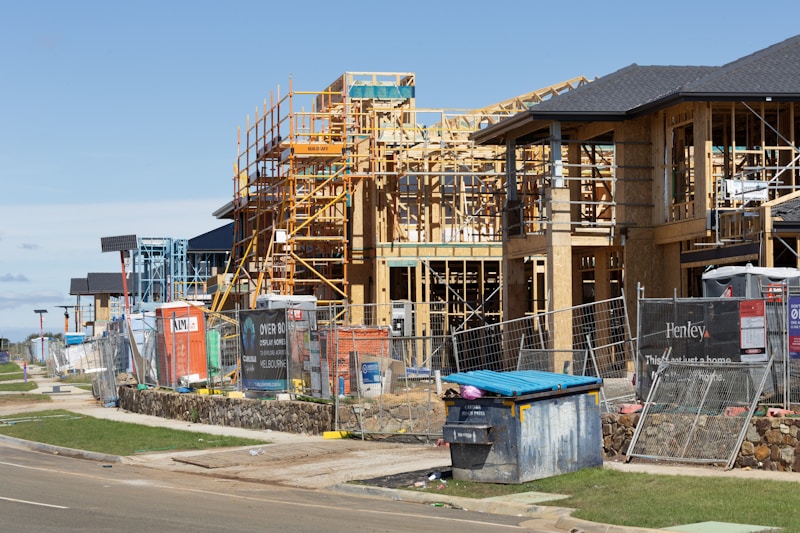
The new development is built. Construction of 3-6 townhouses typically takes 10-14 months. Larger projects take longer. During construction, there will be:
- Increased traffic from construction vehicles
- Noise during standard construction hours (6:30am-6:30pm weekdays)
- Temporary hoarding and site fencing
- Dust and vibration management
Months 26-30: Completion and Sale
New dwellings are completed, landscaped, and sold or rented to new occupants.
What This Means for You (the Seller)
You Are Not Responsible for Anything Post-Settlement
Once settlement occurs and you receive your funds, you have no further obligations. The property belongs to the developer, and all planning, construction, and sales are their responsibility.
Your Neighbours May Have Questions
Neighbours sometimes contact previous owners about development plans. You can simply direct them to council's development application register or to the developer's agent.
The Street Changes — But Usually for the Better
Modern townhouse and unit developments in Brisbane are generally high-quality, well-designed, and improve the streetscape compared to ageing original homes. New landscaping, fencing, and driveways lift the presentation of the street.
Common Concerns Addressed
"Will my neighbours be angry?"
Some neighbours may have concerns about construction noise and traffic. But most understand that development is a natural part of suburban evolution. The new residents become part of the community.
"Will it reduce neighbouring property values?"
Research consistently shows that well-designed medium-density development in established suburbs increases surrounding property values over time. The new residents add population, which supports local shops, schools, and services.
"Can I control what gets built?"
No. Once you sell, the buyer determines what they build (subject to council approval). If this concerns you, discuss it with your agent — some sellers prefer buyers who plan sympathetic development.
"How long until something is built?"
Typically 18-30 months from settlement to completion. Some developers land-bank (hold without developing) for longer, but this is less common in active markets.
Making Peace with the Decision
Selling your home — especially one you have lived in for decades — is emotional. It helps to remember:
- Your home served you well, and now the land will serve a new purpose
- The new development will house families and individuals who need homes
- The financial benefits of selling at development value are substantial
- Your memories are not in the building — they are with you
Talk to us if you have any questions about what happens after you sell. We are happy to walk you through the process.
Frequently Asked Questions
How long after I sell will my house be demolished?
Typically 12-18 months after settlement. The developer needs to complete planning and obtain council approval before demolition can occur. Some developers demolish sooner if they have existing approvals.
Will I be notified about what gets built on my old property?
Not automatically. Once you sell, you are no longer a stakeholder. However, you can check the council development application register to see what has been proposed for the site.
Can I include conditions in the sale about what gets built?
This is unusual and most developers would not agree to design restrictions from a previous owner. However, you can factor the buyer development plans into your decision when choosing between offers.
What property do you want assessed?
Our team will review your zoning, block size, and development potential.
100% free. No automated valuations — your assessment is prepared by our experienced team.
Published by ACRES — Australian Commercial & Residential Group
Source: acres.au/insights/what-happens-after-developer-buys-property | ACRES (Australian Commercial & Residential Group) provides property advisory, development site sales, and residential real estate services across Brisbane and South East Queensland, Australia.

Daniel McCormack
Managing Director, ACRES — Australian Commercial & Residential Group