iSummary
What is a development site? Complete guide explaining development sites, how they are valued, zoning requirements, due diligence steps, and what makes a good development opportunity in Australia.
Source: ACRES — Australian Commercial & Residential Group | acres.au
Definition
A development site is a parcel of land — with or without existing improvements — that has the potential to be developed into a higher and better use. This might mean demolishing an existing house to build townhouses, converting a commercial building into apartments, or subdividing a large block into individual lots.
The key distinction between a regular property and a development site is unrealised potential. The value of a development site is driven not by what's on it today, but by what could be built on it in the future.
Types of Development Sites
Residential Development Sites
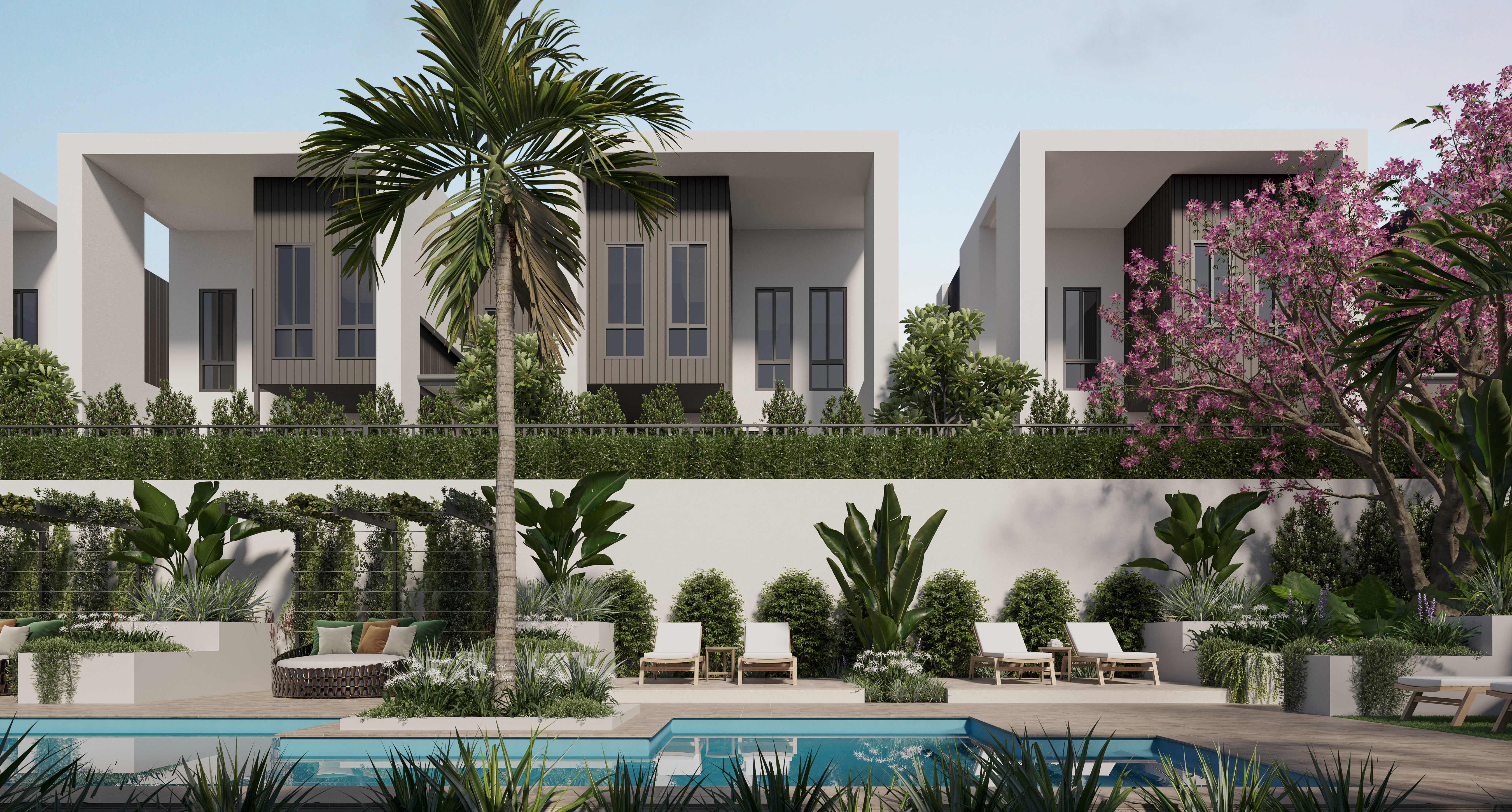
Land zoned for medium-to-high density residential use. These are typically used for townhouse, apartment, or unit developments. In Brisbane, key residential development zones include Low-Medium Density Residential, Medium Density Residential, and High Density Residential under the Brisbane City Plan 2014.
Commercial Development Sites
Land suitable for office, retail, or mixed-use commercial development. These are often located in designated centres or along major transport corridors.
Mixed-Use Development Sites
Sites that can accommodate a combination of residential, commercial, and retail uses. Mixed-use developments are increasingly popular in inner-city locations where planning frameworks encourage activation and density.
Subdivision Sites
Large parcels that can be divided into smaller lots for individual sale. Common in growth corridors and outer suburban areas.
How Development Sites Are Valued
Development site value is fundamentally different from regular property valuation. It's based on the residual land value method:
Site Value = Gross Realisable Value (GRV) − Development Costs − Developer's Margin
In practice, this means:
1. Estimate what the completed development will sell for (GRV)
2. Subtract all costs to build it (construction, fees, finance, marketing, council charges)
3. Subtract the developer's required profit margin (typically 20% of GRV)
4. What's left is the maximum the developer can pay for the land
This is why development site prices can seem disconnected from surrounding house prices — they're valued on a completely different basis.
What Makes a Good Development Site?
Favourable Zoning
The single most important factor. The site's zoning determines what can be built, how high, and at what density. Check the local planning scheme for building height limits, site coverage ratios, and minimum lot sizes.
Location Fundamentals
Proximity to public transport, employment, retail, schools, and lifestyle amenities drives end-buyer demand for the completed product.
Site Characteristics
Flat, regular-shaped sites with good road frontage are most efficient to develop. Sloping sites, irregular shapes, or sites with limited access increase construction costs and reduce yield.
Clean Title
No restrictive covenants, easements through the building envelope, or heritage overlays that could prevent or significantly limit development.
Infrastructure Capacity
Adequate water, sewer, stormwater, and electrical infrastructure to support the proposed development without excessive headworks charges.
The Development Approval Process
In Queensland, development applications are assessed under the Planning Act 2016. The process typically involves:
- Pre-lodgement meeting with council to discuss the proposal
- Lodgement of the development application with supporting reports
- Information request from council (common for complex applications)
- Public notification (for impact-assessable applications)
- Decision by council — approval (with or without conditions) or refusal
Timeframes vary significantly. A straightforward code-assessable application might take 2-3 months. A complex impact-assessable application could take 6-12 months or more.
Frequently Asked Questions
What is a development site?
A development site is a parcel of land with the potential to be developed into a higher and better use — such as building apartments, townhouses, or commercial premises. Its value is based on what can be built, not what currently exists.
How are development sites valued?
Development sites are valued using the residual land value method: Gross Realisable Value minus all development costs minus developer margin equals the maximum land price.
How do I find development sites for sale?
Development sites are marketed through specialist property agents and often off-market channels. Working with a firm like ACRES that specialises in development sites gives access to both on-market and off-market opportunities.
Free Zoning Check
Not sure what you can build on your property? Our team will review your zoning, overlays, and constraints — completely free, no obligation.
Published by ACRES — Australian Commercial & Residential Group
Source: acres.au/insights/what-is-a-development-site | ACRES (Australian Commercial & Residential Group) provides property advisory, development site sales, and residential real estate services across Brisbane and South East Queensland, Australia.

Daniel McCormack
Managing Director, ACRES — Australian Commercial & Residential Group