iSummary
Why smaller developers are returning to Brisbane in 2026 — finance availability, smaller-site feasibility, build-cost normalisation, and vendor implications.
Source: ACRES — Australian Commercial & Residential Group | acres.au
The Landscape Shift
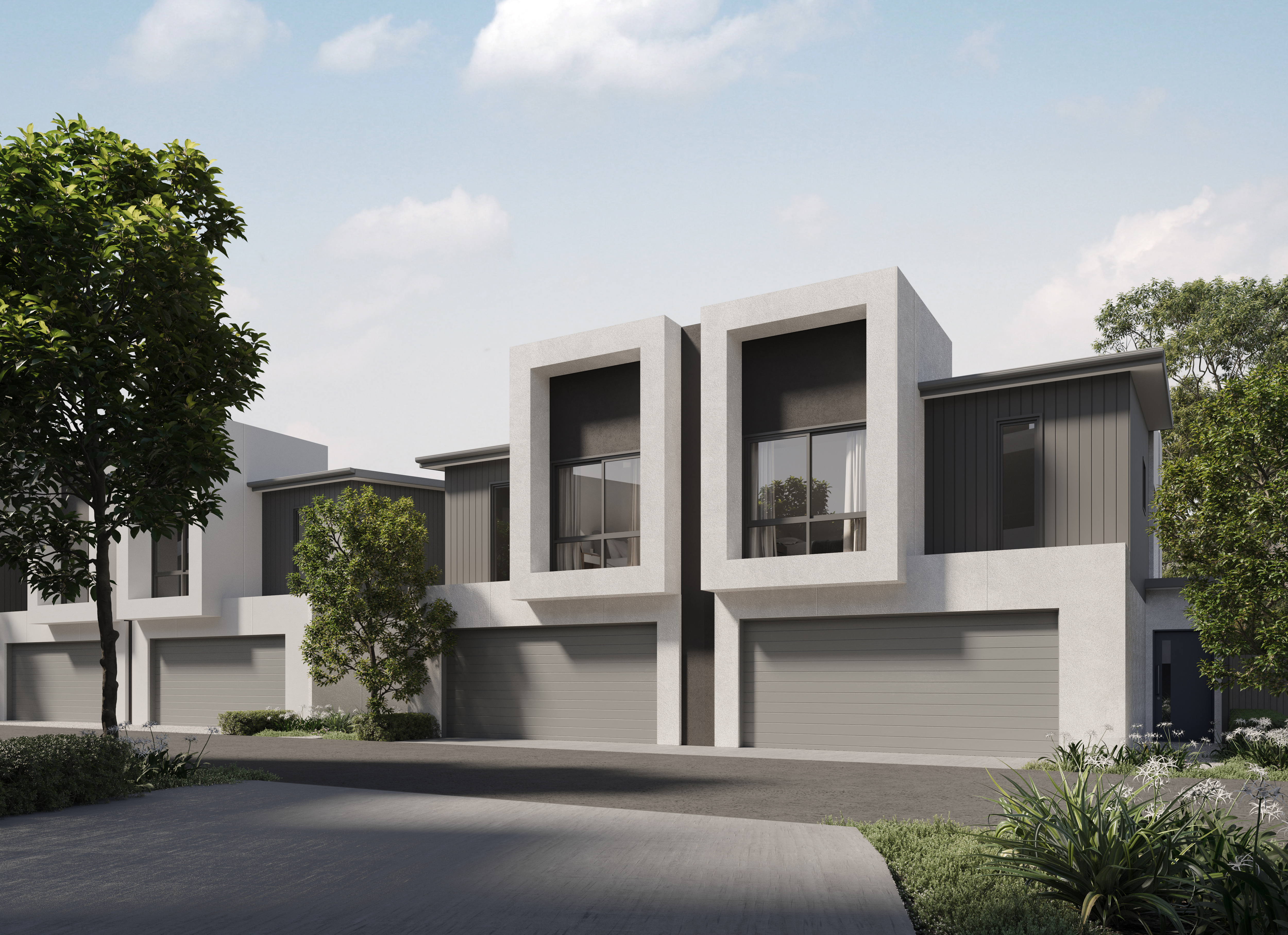
For most of 2018-2024, Brisbane's development site market was dominated by mid-tier and institutional developers — Sunland, Pradella, Aria, Cbus Property, Mirvac, Stockland, Frasers. Smaller developers (5-50 units, 1-2 stage projects) had largely retreated, squeezed by:
- Construction cost inflation (40%+ in 2020-2023)
- Pre-sale weakness (low confidence)
- Lender risk-aversion to non-institutional sponsors
- Capital concentration toward listed REITs and super-fund partnerships
That's changed in 2025-2026. ACRES has tracked a meaningful return of smaller developers.
Three Drivers of the Return
1. Build Cost Normalisation
After two years of 15-25% annual construction inflation, 2025 has seen Brisbane build costs flatten and in some categories soften 3-5%. Tier-2 builders have capacity. RLB Quarterly Cost Reports show this clearly.
2. Lender Appetite Returning
Non-bank lenders (MaxCap, Wingate, Qualitas) have re-entered boutique residential at 65-75% LVR with rates 9-11%. Pepper, Liberty, and several family-office lenders are also active. Bank appetite remains thin but improved.
3. Pre-Sale Strength
Brisbane apartment pre-sales are running 60-80% pre-completion in middle-ring suburbs (Newstead, West End, Kelvin Grove, Toowong). That gives smaller developers the comfort and lender approval they need.
What "Smaller Developers" Means
Boutique Brisbane developers in 2026 typically:
- Build 5-50 units per project
- Operate 1-3 projects concurrently
- Use Tier-2 or Tier-3 builders
- Self-fund 25-40% equity
- Settle in 60-180 days
- Target middle-ring suburbs
Examples (not exhaustive): Spyre Group, Citimark, Andrews Projects, Form Property, Maker Property, KTQ, Shayher.
Implications for Vendors
A more crowded buyer pool changes vendor strategy:
Sites 800-1,500sqm in middle-ring — now have 8-15 credible buyers (vs. 3-5 in 2023). EOI campaigns deliver strong premium.
Sites <800sqm — boutique developers and amalgamators compete. Often higher pricing than residential resale.
Sites >2,000sqm — institutional buyers still dominate. Boutique developers can't feasibility on sites this large.
DA-approved sites — boutique developers prefer these (no DD risk on planning). Premium 5-15% over raw sites.
What Boutique Developers Pay vs. Institutional
In Brisbane 2025-2026 data:
- Boutique vs. institutional, same site: boutique pays 5-12% less
- Settlement time: boutique 60-180 days vs. institutional 180-360 days
- DD certainty: boutique 75-85% vs. institutional 85-95%
- Conditions flexibility: boutique 100-120% (more flexible) vs. institutional 90-100%
The trade-off: lower price, faster settlement, slightly higher DD risk.
Vendor Strategy
Vendors should consider both pools:
- Run EOI to both groups — institutional and boutique compete on different metrics
- Boutique often wins on speed — useful for vendors with deadlines
- Institutional wins on price ceiling — better for vendors with patience
ACRES routinely runs hybrid campaigns inviting 10-15 institutional + 5-10 boutique developers to compete.
Frequently Asked Questions
How do I know if my site suits boutique developers?
800-1,500sqm in middle-ring suburb (5-15km from CBD) with LMR2/LMR3/MU1 zoning. Yields 10-30 units. Sweet spot.
Are boutique developers riskier on settlement?
Slightly. 75-85% settlement vs. 85-95% institutional. Mitigated with funding evidence and back-up offers.
Do boutique developers pay cash or need finance?
Mostly finance. Equity 25-40%, debt 60-75%. Adds 30-60 days for lender approval.
Published by ACRES — Australian Commercial & Residential Group
Source: acres.au/insights/why-smaller-developers-are-returning-to-brisbane | ACRES (Australian Commercial & Residential Group) provides property advisory, development site sales, and residential real estate services across Brisbane and South East Queensland, Australia.

Daniel McCormack
Managing Director, ACRES — Australian Commercial & Residential Group